Robot Vacuums: Are They Actually Worth It in 2026?
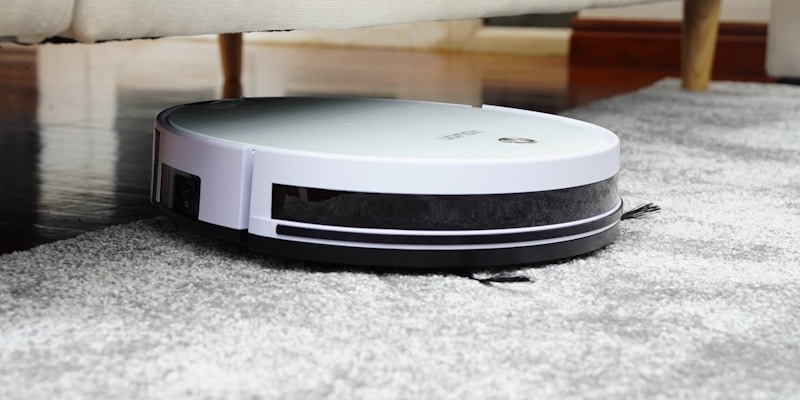
Robot vacuums have been around for over a decade, but the technology has gotten dramatically better in the last two years. The question isn’t whether they work anymore — it’s whether they’re worth the money for your situation.
After living with three different robot vacuums for the past 6 months, here’s our honest take.
The Short Answer
Yes, if you have mostly hard floors or low-pile carpet and a relatively open floor plan. They won’t replace a traditional vacuum entirely, but they’ll handle 80% of the daily maintenance cleaning so you don’t have to.
No, if you have thick carpet, lots of furniture legs, or a cluttered floor. You’ll spend more time robot-proofing your house than you save on vacuuming.
What’s Actually Improved
The biggest changes in 2026 models:
- LiDAR navigation is standard — even mid-range models map your house accurately now
- Obstacle avoidance works — they don’t eat shoe laces and charging cables anymore (mostly)
- Self-emptying bases — the dock empties the dustbin automatically, so you only touch it every few weeks
- Mopping combos — many models vacuum AND mop in one pass, with auto-lifting mop pads for carpet
Our Top 3 Picks
Best Overall: Roborock S8 MaxV Ultra
This is the one to beat. LiDAR + camera navigation, 10,000Pa suction, auto-empty dock that also washes and dries the mop pads. It handles pet hair on carpet and hard floor equally well.
The app is clean and actually useful — you can set no-go zones, schedule room-specific cleaning, and adjust suction by room.
The catch: It’s expensive. The full system with dock runs $1,000+. But if you’re buying a premium robot vacuum, this is where the money should go.
Best Value: Dreame L20 Ultra
About 70% of the Roborock’s performance at 60% of the price. The main sacrifice is slightly worse obstacle avoidance and a less polished app. But the cleaning performance is excellent, and the self-washing mop dock works well.
If $1,000+ feels like too much for a vacuum, this is our pick.
Best Budget: iRobot Roomba Combo Essential
For under $300, this is a solid entry point. No self-emptying dock and basic navigation, but it vacuums and mops, handles scheduling, and does a decent job on hard floors. Don’t expect miracles on carpet.
Who it’s for: Anyone who wants to try a robot vacuum without committing serious money.
Who Should NOT Buy One
Be honest with yourself about these:
- You have more than 2 pets — hair volume may overwhelm even premium models daily
- Your floors are always cluttered — robot-proofing is a real time cost
- You have all thick carpet — robots are mediocre on thick pile, period
- You have lots of stairs — robots don’t climb stairs, so you’ll need one per floor or still vacuum manually
The Real Value Proposition
A robot vacuum saves about 20-30 minutes per session, 3-4 times per week. That’s roughly 5-8 hours per month. Over a year, that’s 60-100 hours.
At the budget end ($300), you’re paying about $3-5 per hour of saved time in the first year. By year two, it’s essentially free time.
That math works for most people. The question is just which price tier makes sense for your floors and your budget.
Bottom Line
The mid-range sweet spot in 2026 is $400-600. That gets you LiDAR navigation, decent suction, and usually a mop function. The premium $1,000+ models are genuinely better, but the gap is smaller than the price difference suggests.
Start with a mid-range model. If it changes your life, upgrade later. If it doesn’t, you haven’t lost much.
Prices and availability are accurate as of the date of publication. As an Amazon Associate, Daily Deal Scout earns from qualifying purchases.